The Middleton Island
Marine Biological Station

A unique facility for ecosystem research in the Gulf of Alaska, where cutting-edge seabird science meets Cold War history on a remote, tectonically active island.

Support Our Research
50K+
Seabirds Nesting on Middleton Island
182
Acres Comprising the Research Station
12
Average Island Population in Summer (Winter: 2)
9
Former U.S. Air Force Buildings Repurposed for Seabird Research

About the Island

A Strategic Location for Marine Science

Middleton Island, situated about 60 miles off the coast in the north-central Gulf of Alaska, is home to a marine field station unlike any other in the world. Research and monitoring conducted there since 1978 is furnishing data relevant to marine ecosystem management in the Gulf and the northeastern Pacific generally.

The island itself lies smack in the middle of the main east-to-west flowing currents in the Gulf of Alaska. Well-separated from the coast, the island is little influenced by such factors as orogenic weather or variable freshwater inputs, making it an ideal location for oceanic research.
Meet the Team

Leading Researchers

Our international team of scientists brings decades of expertise to seabird research and marine ecosystem studies.

Scott Hatch

Scott Hatch, Ph.D.

Founder, Institute for Seabird Research and Conservation

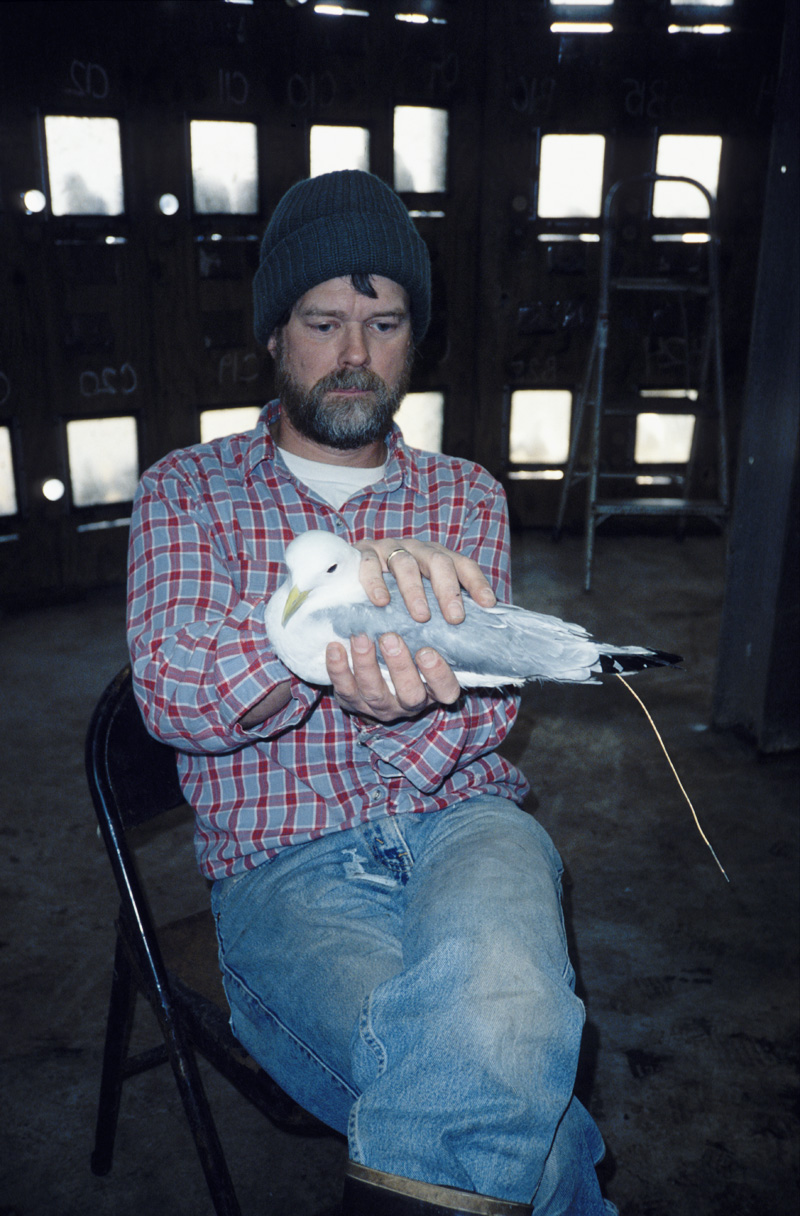
Scott has 37 years of experience with federal agencies in Alaska and has been working at Middleton since 1978. As the self-appointed "Mayor of Middleton Island," he has overseen the transformation of Cold War infrastructure into a world-class research facility.

Kyle Elliott

Kyle Elliott, Ph.D.

Professor/Canada Research Chair, McGill University

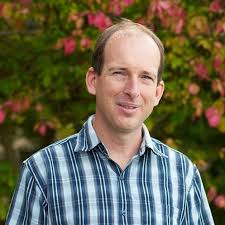
Kyle completed his PhD using data collected at Middleton and has been hooked ever since. His research focuses on tracking kittiwakes, auklets, puffins and gulls to answer behavioral, physiological and ecological questions.

Morgan Benowitz-Fredericks

Morgan Benowitz-Fredericks, Ph.D.

Professor, Bucknell University

Morgan's work capitalizes on Middleton's incredible potential for experimental research on free-living seabirds, exploring the physiology and endocrinology of chick development and life-history of kittiwakes.

Sarah Leclaire

Sarah Leclaire, Ph.D.

Research Scientist, CNRS, France

Sarah is a behavioral ecologist with particular interest in mate choice in seabirds. Her work on Middleton focuses on immunogenetic-based mate choice in black-legged kittiwakes and associated sexual signals.

Akiko Shoji

Akiko Shoji, Ph.D.

Research Scientist & Professor, University of Tsukuba, Japan

Akiko is a behavioral ecologist with particular interest in seabirds and birds of prey. She collaborates with the Middleton Island team on various research projects studying avian behavior and ecology.

Shannon Whelan

Shannon Whelan, Ph.D.

Science Director, Institute for Seabird Research and Conservation (ISRC)

Shannon leads the Core Research Program at ISRC, overseeing logistics and monitoring efforts at the Middleton Island research station. Her research is focused on long-term monitoring, biologging, and endocrinology.

Yumi Arimitsu

Yumi Arimitsu, Ph.D.

Research Ecologist, Ocean Bight LLC

Yumi is a Juneau-based marine ecologist with over two decades of expertise in North Pacific marine food webs, specializing in the forage fish and zooplankton that sustain seabirds and marine mammals. She leads the Gulf Watch Alaska Pelagic Ecosystem Component and Forage Fish Monitoring Project. Her research focuses on predator-prey dynamics and monitoring forage fish trends to inform ecosystem-based management.

Featured Coverage

Research Highlights

Recent discoveries and findings from Middleton Island research making waves in the scientific community and beyond.

Bucknell University News

Bucknell Study: Stress Hormones Drive Seabird Chicks' Rapid Siblicide

New research from Middleton Island reveals how stress hormones trigger aggressive behavior in black-legged kittiwake chicks, leading to siblicide within hours of hatching. The study provides crucial insights into how environmental stressors affect seabird reproduction and survival.

Read the full story

McGill University Masters Project

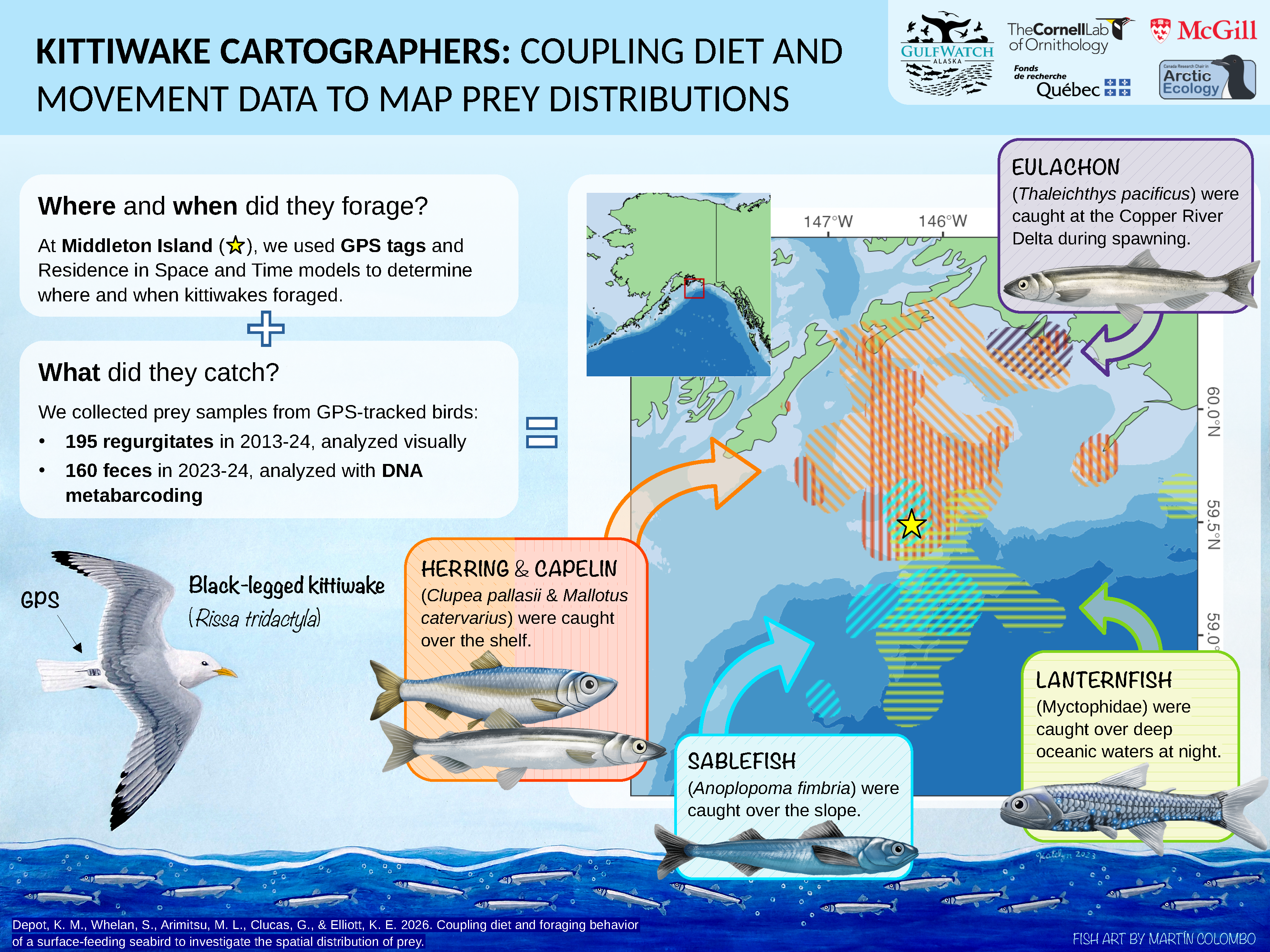
Infographic from Delta Sounds Connection 2026 showing seabirds as ocean detectives tracking forage fish communities

Interactive Prey Distribution Maps: Coupling Diet and Foraging Behavior

Led by Katelyn Depot (McGill University), this interactive Shiny application maps spatial distribution of seabird prey by coupling diet analysis with foraging behavior data from Middleton Island. The tool provides dynamic visualization of how surface-feeding seabirds locate and exploit prey resources across the Gulf of Alaska. The featured infographic (above), also created by Katelyn Depot as part of her Masters project, appears in the Delta Sounds Connection 2026 article "Seabirds as Ocean Detectives: Tracking Trends in Forage Fish Communties from Prince William Sound to the Shelf Break and Beyond."

Explore the interactive maps Read the Delta Sounds Connection 2026 feature

Audubon Alaska

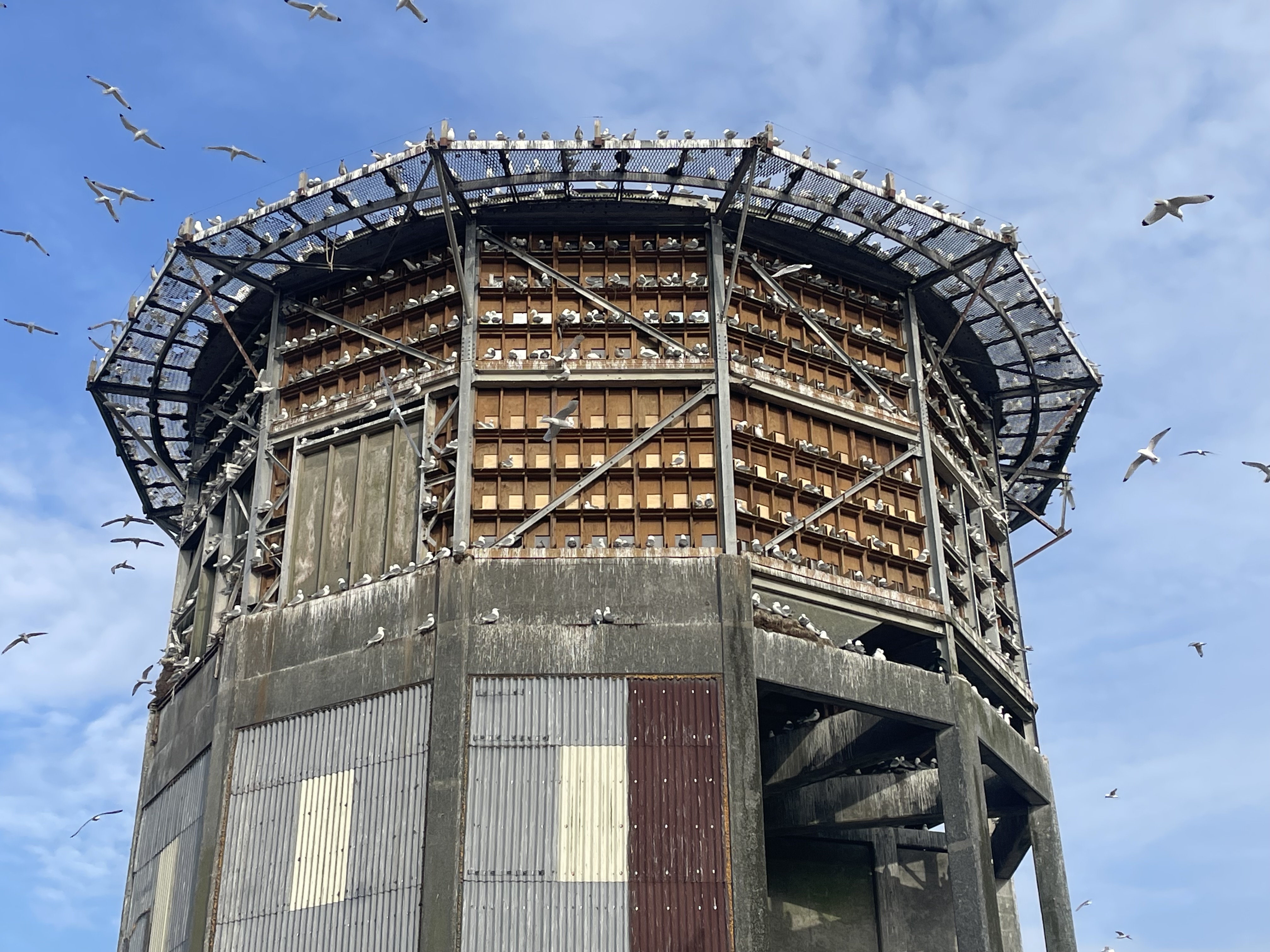
Repaired research tower on Middleton Island

Rebuilding a Tower That Seabirds—and Science—Depend On

This feature highlights how storm repairs to Middleton Island's research tower protected one of the Gulf of Alaska's most important long-term seabird monitoring sites. The rebuilt walls expanded nesting space for kittiwakes and preserved the close-up access essential to this year's seabird monitoring and long-term ecosystem research.

Read the full story

Support Our Mission

Help Protect This Living Laboratory

Field operations at Middleton are part of Gulf Watch Alaska and receive funding mainly through cooperative agreements. But making ends meet budget-wise is a perennial challenge. Your tax-deductible contribution helps grow a permanent endowment fund for facility maintenance and core monitoring programs.

Make a Donation